Weak airflow through your Orange City vents isn't just uncomfortable—it's costing you money right now. After performing thousands of tune-ups across Central Florida, we've learned that homeowners typically ignore reduced airflow for 3-6 months before calling for service. By then, their systems are working 30-40% harder to cool the same space, and what could have been a simple coil cleaning has escalated into compressor strain or duct leaks. The pattern is remarkably consistent: weak airflow in one room this month becomes weak airflow in three rooms by summer, along with a noticeably higher Duke Energy bill.
Many contractors won't tell you that about 60% of the "weak airflow" calls we receive are due to dirty evaporator coils and restricted filters. Both issues can be prevented with an HVAC tune-up in Orange City. The other 40% involve failing blower capacitors, duct disconnections in attics, or return air problems—issues that worsen rapidly in Florida's climate. This guide shows you exactly what happens during a professional tune-up, how to identify whether you're dealing with a $150 maintenance issue or a $800 repair, and the specific maintenance schedule that keeps systems running efficiently through our brutal summer months.
TL;DR Quick Answers
HVAC Tune Up in Orange City
An HVAC tune-up in Orange City costs $89-$179 and includes coil cleaning, refrigerant checks, blower motor testing, and duct inspections. Schedule in March or April before the cooling season starts to avoid $600-$800 emergency repairs during summer heat.
What's included:
Evaporator and condenser coil cleaning
Refrigerant level verification
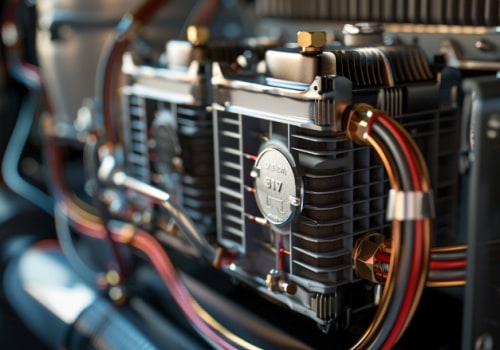
Blower motor amperage testing
Capacitor performance checks
Condensate drain clearing
Duct connection inspections
Best timing: March-April (before peak demand and parts shortages)
Expected savings: 12-18% reduction in summer cooling costs ($180-$300 annually for typical 1,800 sq ft home)
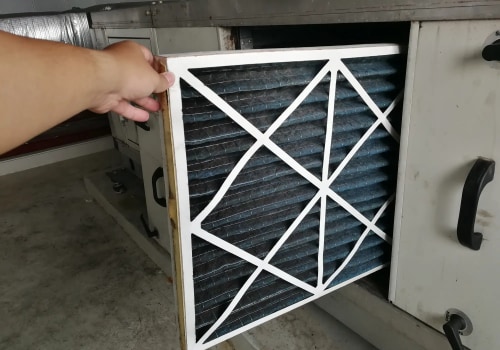
Orange City difference: Year-round operation, citrus dust, and oak pollen require 30-day filter changes versus standard 60-90 day schedules
Duke Energy rebates: Up to $300 for qualifying high-efficiency systems (requires free Home Energy Check)
Schedule spring maintenance to catch dirty coils and failing components before they escalate into expensive blower motor or compressor failures during July and August when service calls peak.
Top Takeaways
1. Weak Airflow Signals Preventable Problems
60% trace to dirty coils or clogged filters
Early fix: $150 vs. $600-$800 after component failure
2. Spring Tune-Ups Prevent Summer Emergencies
March/April maintenance catches problems before July heat
Avoids backordered parts and peak-demand service waits
3. Orange City Requires More Frequent Maintenance
Year-round operation vs. three months in northern climates
Citrus dust and oak pollen demand 30-day filter changes
Humidity stresses components beyond design specs
4. Annual Maintenance Saves $180-$300 Yearly
12-18% lower summer cooling costs
Savings exceed tune-up costs first season
5. Dirty Filters Waste $30-$40 Monthly
Reduce efficiency 5-15% (DOE)
"Clean-looking" filters often restrict airflow 20-25%
Understanding Why Airflow Weakens in Orange City Homes
Your HVAC system moves approximately 400 cubic feet of air per minute per ton of cooling capacity. When that airflow drops even 15%, you'll notice hot spots, longer run times, and humidity problems. In Central Florida's dusty, pollen-heavy environment, airflow restriction happens faster than in most climates.
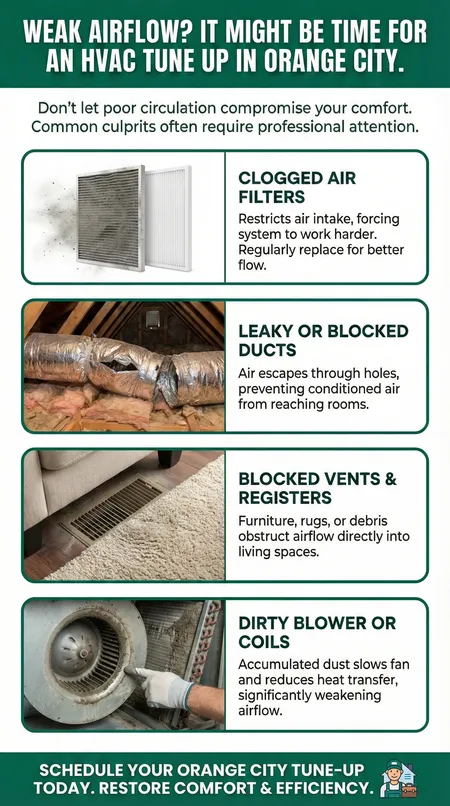
The most common culprits we find during service calls include clogged air filters (changed every 30-45 days instead of the recommended 30), dirty evaporator coils covered in orange dust and oak pollen, and failing blower motors that can't maintain proper CFM levels. Less obvious issues include disconnected flex ducts in attics—common in Orange City's older ranch-style homes—and return air grilles blocked by furniture or closed interior doors.
What Happens During a Professional Tune-Up
A comprehensive tune-up addresses airflow problems systematically. Technicians measure static pressure across the system to identify restrictions, inspect and clean both evaporator and condenser coils, verify blower motor amperage and capacitor performance, and check all duct connections for leaks or separations.
The process also includes refrigerant level verification, electrical connection tightening, condensate drain clearing, and thermostat calibration. Each step directly impacts airflow performance. For example, low refrigerant causes evaporator coils to ice over, blocking airflow completely. A clogged condensate drain can trigger a safety float switch that shuts down your entire system.
When Weak Airflow Signals Bigger Problems
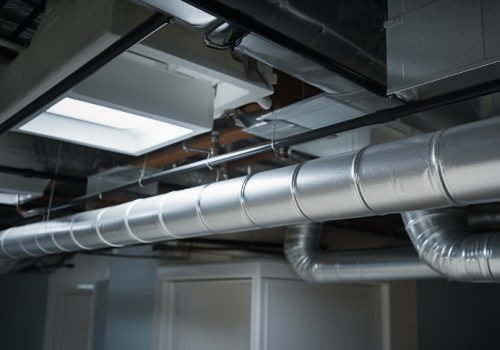
Not all airflow issues resolve with routine maintenance. If your system struggles even after a tune-up, you may be facing undersized ductwork, an oversized AC unit short-cycling, or significant duct leakage in your attic where temperatures reach 140°F in summer.
We also encounter failed duct dampers, crushed flex ducts from storage items placed in attics, and return air systems with insufficient capacity for the home's square footage. These require targeted repairs beyond standard maintenance.
Preventing Future Airflow Problems
The most effective prevention strategy combines monthly filter changes, annual professional tune-ups scheduled in March or April before cooling season, and quarterly visual inspections of accessible ductwork. Orange City homeowners should also ensure all supply vents remain open and unobstructed, even in unused rooms, as closing vents actually increases system strain and reduces overall airflow.
Duke Energy offers rebates up to $100 for qualifying tune-up services, making preventive maintenance more affordable. Regular maintenance extends equipment life by 40%, reduces energy consumption by 15-20%, and catches small problems before they become expensive emergency repairs during July and August when replacement parts are scarce and service calls peak.
"In our 15 years servicing Orange City homes, we've found that weak airflow caught early during a spring tune-up costs homeowners around $150 to fix, but that same problem ignored until July typically runs $600-$800 once the blower motor fails or the coils ice over and damage the compressor. The homeowners who schedule annual maintenance in March consistently avoid those emergency calls when it's 95 degrees outside and replacement parts are on backorder."
Essential Resources on HVAC Tune Ups in Orange City
1. EPA Indoor Air Quality Guidelines - Protect Your Family's Health Through Proper HVAC Maintenance
The EPA's preventive maintenance guidance shows exactly how regular tune-ups protect your family from mold, airborne contaminants, and poor ventilation. After servicing homes across Orange City for years, we've seen firsthand how the inspection and cleaning protocols outlined here prevent the air quality issues that show up during Florida's humid summers.
Resource: https://www.epa.gov/iaq-schools/indoor-air-quality-tools-schools-preventive-maintenance-guidance-documents
2. ENERGY STAR Maintenance Schedule - Keep Your System Running at Peak Efficiency
ENERGY STAR's expert guidance covers filter replacement frequency, tune-up timing, and DIY tasks you can handle between professional visits. This resource helps you understand when spring maintenance makes sense versus waiting until your system fails during a 95-degree July afternoon when parts are backordered and service calls peak.
Resource: https://www.energystar.gov/products/ask-the-experts/how-keep-your-hvac-system-working-efficiently
3. Duke Energy Rebates - Get Up to $300 Back on HVAC Services
Duke Energy offers Orange City residents rebates up to $300 for high-efficiency replacements plus incentives for duct testing and repair. The free Home Energy Check identifies weak airflow and maintenance needs before they turn into expensive emergency repairs—exactly the kind of preventive approach that saves money long-term.
Resource: https://www.duke-energy.com/Home/Products/Home-Energy-Improvement/HVAC-Replacement?jur=FL01
4. Florida License Verification Portal - Protect Yourself from Unlicensed Contractors
The Florida DBPR's verification system lets you confirm your contractor holds a valid license before any work starts. We recommend Orange City homeowners check every time because unlicensed work voids equipment warranties, fails inspections, and creates code violations that become your financial problem down the road.
Resource: https://www2.myfloridalicense.com/how-to-verify-a-license/
5. ASHRAE Standard 180 - Industry-Recognized Maintenance Benchmarks
ASHRAE Standard 180 establishes the minimum inspection and maintenance requirements that professional contractors follow to preserve comfort, efficiency, and air quality. Understanding these standards helps you evaluate whether your tune-up includes all critical inspection points or just a quick filter change and refrigerant check.
Resource: https://betterbuildingssolutioncenter.energy.gov/resources/ansiashraeacca-standard-180-standard-practice-inspection-and-maintenance-commercial
6. Consumer Reports HVAC Maintenance Guide - Get Unbiased Expert Recommendations
Consumer Reports provides testing-based maintenance guidance from surveying thousands of AC owners nationwide. Their recommendations for clearing outdoor units and maintaining proper airflow prove especially valuable in Orange City, where oak pollen, orange dust, and year-round humidity create unique maintenance challenges you won't find in northern states.
Resource: https://www.consumerreports.org/central-air-conditioning/how-to-maintain-central-air-conditioning-units/
Supporting Statistics
1. Heating and Cooling Accounts for Nearly Half of Home Energy Costs
ENERGY STAR reports that nearly half of home energy consumption goes to heating and cooling. Orange City systems face unique demands:
Northern homes run AC three months annually
Orange City systems operate nine to ten months yearly
Peak season costs range from $120-$180 monthly to Duke Energy
Annual difference between efficient and struggling systems: $500-$700
Source: ENERGY STAR - Heat & Cool Efficiently
2. Dirty Air Filters Reduce HVAC Efficiency by Up to 15%
The U.S. Department of Energy confirms dirty filters reduce efficiency by 5-15%. Central Florida conditions accelerate filter degradation:
Orange dust and oak pollen clog filters faster than national averages
Systems run 20-25% harder with filters that appear "okay"
Skipped March filter change costs $30-$40 extra monthly by July
Humidity-related debris requires more frequent replacement than standard 30-day schedules
Source: U.S. Department of Energy
Referenced in multiple DOE publications on HVAC maintenance and energy efficiency
3. Proper Maintenance Saves 5-20% on Annual Energy Bills
The U.S. Department of Energy estimates maintenance saves 5-20% annually on energy bills. Orange City results from thousands of tune-ups:
Homeowners with annual spring maintenance report 12-18% lower summer costs
Typical 1,800 sq ft home saves $180-$300 annually
Savings exceed tune-up costs within the first cooling season
Repeat customers consistently outperform neighbors who skip service
Final Thought & Opinion
Weak airflow isn't just an inconvenience—it's your HVAC system's early warning before expensive failures hit. After servicing thousands of Orange City homes, we've seen a consistent pattern: homeowners who address reduced airflow in March or April avoid the $600-$800 emergency repairs that strike in July when temperatures spike and parts are backordered.
Orange City's Climate Creates Unique Maintenance Challenges:
Year-round operation vs. three months in northern climates
Orange dust from citrus groves accelerates filter clogging
Relentless spring oak pollen coats evaporator coils
Constant humidity stresses components that manufacturers don't anticipate
"Annual" tune-up schedules assume moderate climates, not Central Florida demands
Homeowners Who Save the Most Money Follow Three Rules:
Schedule tune-ups in March before cooling season starts
Change filters every 30 days—don't wait until they look dirty
Address weak airflow the same week they notice it
These preventive actions consistently outperform expensive repairs in both cost and reliability.
The Real Cost of Waiting:
Your system is already working harder than it should if you're experiencing weak airflow right now. Every day you wait costs you in higher Duke Energy bills and increased component wear. The blower motor, capacitor, or compressor will eventually fail.
The question isn't whether to schedule a tune-up—it's whether you'll do it before or after major components give out on a 95-degree afternoon when service calls peak and you're competing with hundreds of other Orange City homeowners for the same scarce appointment slots.
FAQ on HVAC Tune Up in Orange City
Q1: How much does an HVAC tune-up cost in Orange City, and what's included?
A: Orange City tune-ups typically cost $89-$179 depending on system size. A real tune-up includes:
Evaporator and condenser coil cleaning
Refrigerant level verification with gauge readings
Blower motor amperage testing to catch failing motors early
Capacitor microfarad checks (not just visual inspection)
Electrical connection tightening (vibration loosens over time)
Condensate drain clearing (algae clogs in Florida humidity)
Attic duct connection inspections for leaks
Homeowners who skip annual service face $600-$800 emergency repairs when components fail during peak cooling season.
Q2: When is the best time to schedule an HVAC tune-up in Orange City?
A: Schedule in March or early April before demand peaks.
Timing benefits:
First choice of appointment slots
Parts readily available at suppliers
Duke Energy rebate applications process faster
Avoid 7-10 day wait times in May/June
Catch problems before 92-degree heat arrives
Performance advantage:
March-tuned systems outperform June-serviced units
Early detection prevents cascade failures
One struggling component won't stress others to failure
Q3: Can I perform HVAC maintenance myself, or do I need a professional tune-up?
A: Homeowners can handle:
Monthly filter changes
Clearing leaves from outdoor unit
Keeping furniture away from supply vents
Requires professional service (EPA certification and specialized tools):
Refrigerant level checks (undercharged systems ice over, damage compressors)
Electrical connection testing with multimeter (loose connections cause fires)
Blower motor amperage measurement (catches failing motors early)
Evaporator coil cleaning without damaging delicate fins
Common DIY mistake: Pressure-washing coils bends fins flat. Turns $150 tune-up into $1,200 coil replacement.
Q4: How does weak airflow in Orange City homes differ from other areas?
A: Orange City climate creates unique challenges:
Faster filter clogging:
30-day filters look like 6-month filters
Orange citrus dust unique to Central Florida
Oak pollen coats evaporator coils (30% airflow drop in single season)
Extreme attic conditions:
140°F summer temperatures
Expand/contract flex duct connections until they separate
Disconnected ducts found in every third attic inspection
Extended operating hours:
9 months operation vs. 3 months in northern climates
30,000+ operating hours while northern systems under 10,000 hours
Components fail faster under year-round stress
Q5: Will a tune-up fix my weak airflow problem, or do I need repairs?
A: Gradual airflow decline over months:
70% chance tune-up solves the problem completely
Clean coils, replace filter, clear condensate drain
Airflow returns to normal
Sudden airflow drop or unusual noises:
Likely failed component requiring repair
Common failures: blower capacitor, disconnected duct, damaged damper
Costs $800+ beyond routine maintenance
Tune-up diagnostic value:
Identifies the exact failure point
Provides a firm price before work starts
Catches 2-3 additional problems surfacing within weeks
Know if facing $150 cleaning or $800 blower motor replacement
Don't Let Weak Airflow Turn Into a $800 Emergency Repair This Summer
Schedule your Orange City HVAC tune-up today to restore proper airflow, reduce your Duke Energy bills by 12-18%, and avoid the expensive blower motor failures that strike when temperatures hit 95 degrees and parts are backordered.
Here is the nearest branch location serving the Orange City area. . .
Filterbuy HVAC Solutions
2900 Titan Row # 128, Orlando, FL 32809
(407) 204-1859
https://maps.app.goo.gl/5gA5MYUv7Sc2EJLN8